Blogs

Cultural Identity of India

India, often described as a land of diversity, is a captivating mosaic of cultures, traditions, and heritage that have evolved over millennia. From the snow-capped peaks of the Himalayas to the sun-kissed shores of the Indian Ocean, every corner of this vast subcontinent boasts its own unique cultural tapestry, woven together by a shared history and a profound sense of identity. 

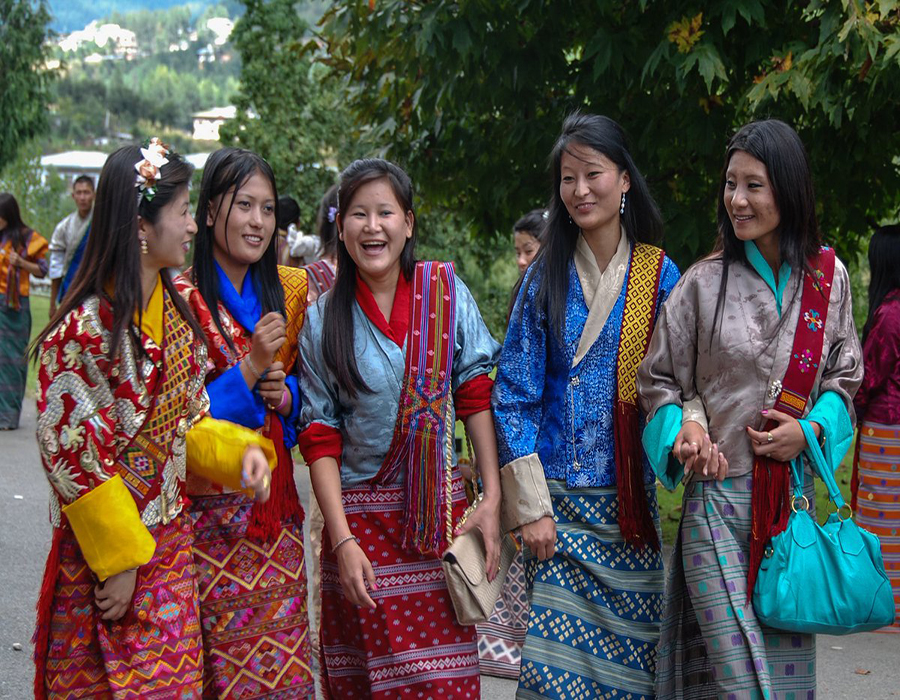
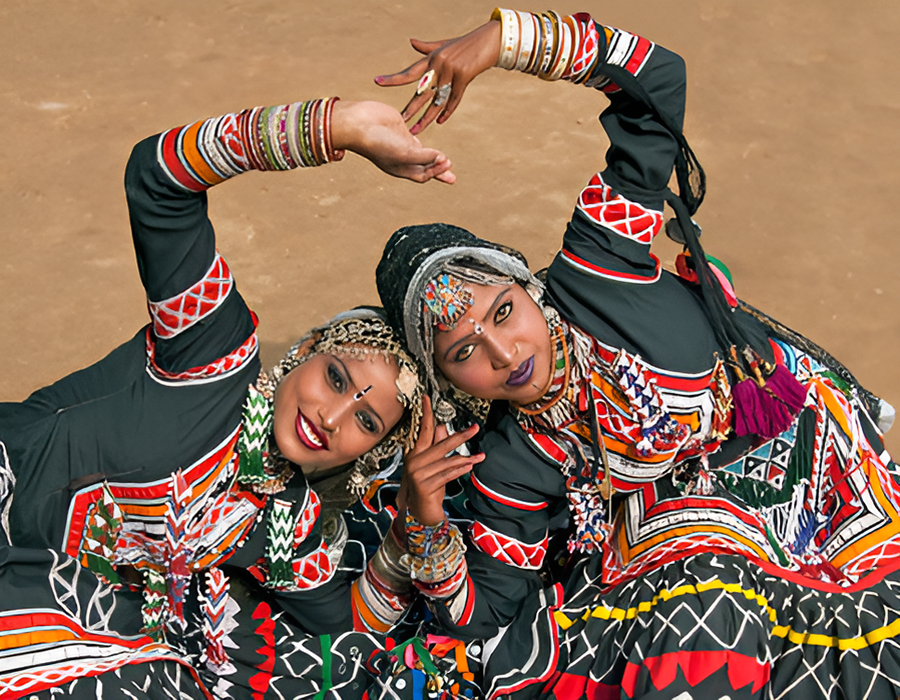
Diversity in Unity: One of the most striking aspects of Indian culture is its diversity. With over 1.3 billion people belonging to numerous ethnicity, religions, languages, and castes, India is a melting pot of traditions. Each region of the country is characterised by its distinct customs, cuisines, festivals, and attire, reflecting the rich tapestry of its cultural heritage.

Festivals: Festivals form an integral part of Indian culture, marking occasions of religious significance, harvest celebrations, and cultural events. Diwali, the festival of lights, illuminates the country with the glow of lamps, symbolising the triumph of light over darkness and good over evil. Holi, the festival of colours, brings joy and merriment as people smear each other with vibrant hues, celebrating the arrival of spring. Eid, Christmas, Navratri, Durga Puja, and many other festivals are celebrated with equal fervour, transcending religious boundaries and fostering communal harmony.

Traditional Arts and Crafts: India's artistic heritage is as diverse as its cultural landscape. From intricate embroidery and weaving to vibrant paintings and sculptures, traditional arts and crafts have been passed down through generations, preserving age-old techniques and designs. The colourful Madhubani paintings of Bihar, the exquisite silk sarees of Kanchipuram, the intricate woodcarvings of Rajasthan, and the timeless bronze sculptures of Tamil Nadu are just a few examples of India's rich artistic legacy.

Classical Dance and Music: Indian classical dance and music forms are a testament to the country's artistic prowess and spiritual depth. From the graceful movements of Bharatanatyam to the expressive gestures of Kathak, from the rhythmic beats of tabla to the soul-stirring melodies of sitar, Indian classical arts evoke a sense of transcendence, connecting performers and audiences to their cultural roots and spiritual heritage.

Culinary Delights: Indian cuisine is renowned worldwide for its diverse flavours, aromatic spices, and regional specialities. From the fiery curries of the north to the coconut-infused dishes of the south, from the savoury chaats of the streets to the delicate sweets of the royal kitchens, Indian food tantalises the taste buds and reflects the culinary heritage of its people. Each region boasts its own culinary traditions, influenced by climate, geography, and cultural practices.

Resilience and Adaptability: Despite the challenges of modernisation and globalisation, India's cultural heritage continues to thrive, adapting to changing times while preserving its essence. Traditional arts and crafts are being revived and reinvented, festivals are celebrated with renewed enthusiasm, and age-old customs are passed down to future generations, ensuring that India's rich cultural tapestry remains vibrant and alive.

In conclusion, India's culture and tradition are a testament to the resilience, diversity, and vibrancy of its people. As we delve deeper into the intricacies of its cultural heritage, we come to appreciate the beauty of unity in diversity, where myriad traditions coexist harmoniously, enriching the fabric of Indian society. Through festivals, arts, cuisine, and rituals, India celebrates life in all its myriad hues, inviting the world to partake in its timeless legacy. TTH


Read More

Bravest of the brave

In the rugged terrain of the Himalayas, where the air is thin and the mountains tower like ancient sentinels, a legacy of bravery and loyalty has been forged over centuries. The Gurkha soldiers of Nepal stand as a testament to the indomitable spirit of a people, revered worldwide for their courage, honour, and unwavering commitment to duty.

The history of the Gurkhas traces back to the early 19th century when the British East India Company encountered these formidable warriors during their campaigns in the Indian subcontinent. Impressed by their ferocity in battle and their unyielding loyalty, the British began recruiting Gurkhas into their own ranks. Since then, Gurkha soldiers have served with distinction in conflicts across the globe, from the trenches of World War I to the jungles of Borneo and the mountains of Afghanistan. The bond between the Gurkhas and the British Army remains unbroken, a testament to the enduring friendship forged on the battlefield.

What sets the Gurkhas apart is not just their prowess in combat, but also their code of conduct, known as "the Gurkha ethos." At its core lies a deep sense of honour, integrity, and loyalty. Gurkha soldiers are bound not only by duty to their superiors but also by a sacred oath to protect those under their charge at any cost. This ethos has earned them the respect and admiration of friend and foe alike.

But the legacy of the Gurkhas extends far beyond the battlefield. Back home in Nepal, they are revered as national heroes, symbols of courage and resilience. For many young Nepalis, joining the ranks of the Gurkhas is not just a career choice but a matter of pride and honour, a way to uphold a tradition that stretches back generations.

Today, Gurkha soldiers continue to serve in various capacities, from peacekeeping missions to training roles, carrying on the legacy of bravery and sacrifice that defines their heritage. Their distinctive khukuri knives and traditional attire are iconic symbols of their identity, representing not just a weapon of war but also a way of life deeply rooted in tradition and honour.

As we reflect on the legacy of the Gurkha soldiers, let us remember not only their feats of valour but also the values they embody – courage, loyalty, and selflessness. In a world often marked by turmoil and strife, the story of the Gurkhas serves as a reminder of the power of honour and duty to unite us and inspire us to strive for a better tomorrow. TTH

Read More

The land of happiness

In a world obsessed with measuring progress solely through economic indicators like GDP, Bhutan stands out as a beacon of a different approach to societal well-being. Nestled in the Eastern Himalayas, this small landlocked kingdom has long captivated the world with its unique philosophy of Gross National Happiness (GNH). In Bhutan, the pursuit of happiness is not just a vague notion; it's a guiding principle deeply ingrained in the fabric of society and governance.


The Birth of GNH: The concept of GNH was coined by the fourth King of Bhutan, King Jigme Singye Wangchuck, in the 1970s. He famously proclaimed that "Gross National Happiness is more important than Gross Domestic Product." This visionary idea signalled a departure from the traditional economic model, which prioritises material wealth accumulation above all else.


Pillars of GNH: 

1.Sustainable and Equitable Socio-Economic Development: Bhutan emphasises sustainable economic growth that benefits all citizens, with a focus on reducing income inequality and promoting social welfare.

2.Conservation of the Environment: As a country renowned for its pristine natural beauty, Bhutan places great importance on environmental conservation. It has pledged to remain carbon neutral and maintain forest cover for all time.

3.Preservation and Promotion of Culture: Bhutanese culture, with its rich traditions, language, and heritage, is a source of pride and identity for its people. GNH seeks to preserve and promote cultural values amidst globalisation.

4.Good Governance: A transparent and accountable government is essential for fostering trust and ensuring the well-being of citizens. Bhutan's governance model prioritises participation, democracy, and the rule of law.


Measuring Happiness: While GDP quantifies economic output, measuring happiness is a more complex endeavour. Bhutan uses a holistic approach to assess well-being, employing qualitative and quantitative indicators across nine domains:

1.Psychological Well-being

2.Health

3.Education

4.Time Use

5.Cultural Diversity and Resilience

6.Good Governance

7.Community Vitality

8.Ecological Diversity and Resilience

9.Living Standards

These indicators provide a comprehensive view of societal progress, encompassing both material and non-material aspects of life.


Impact and Challenges: Bhutan's commitment to GNH has yielded tangible benefits for its citizens. Despite being a developing nation, it boasts high levels of happiness and life satisfaction. Moreover, GNH has attracted global attention, sparking conversations about alternative models of development that prioritise well-being over mere economic growth.

However, Bhutan faces challenges in fully realising its GNH vision. Rapid modernisation, urbanisation, and external influences pose threats to traditional values and cultural identity. Additionally, ensuring equitable access to education, healthcare, and economic opportunities remains a pressing issue, especially in remote rural areas.


Lessons for the World: Bhutan's experiment with GNH offers valuable lessons for policymakers worldwide. It underscores the importance of redefining progress beyond material wealth and embracing a more holistic approach to development. Prioritising the well-being of citizens, preserving the environment, and nurturing cultural heritage are essential ingredients for creating a truly prosperous and sustainable society.

As the world grapples with pressing challenges such as climate change, inequality, and mental health crises, Bhutan's example serves as a reminder that there are alternative paths to prosperity. By placing happiness at the centre of governance, nations can aspire to build societies that are not only wealthy in terms of GDP but also rich in compassion, harmony, and fulfilment.


In Bhutan, the pursuit of Gross National Happiness isn't just a lofty ideal; it's a lived reality, a testament to the transformative power of re-imagining the meaning of progress.

In conclusion, Bhutan's journey towards Gross National Happiness is a compelling narrative of hope and inspiration, a reminder that true prosperity lies not in material accumulation alone, but in the profound sense of well-being and contentment that comes from living in harmony with oneself, others, and the natural world. As we navigate an increasingly complex and interconnected world, Bhutan's wisdom offers a guiding light, illuminating a path towards a more sustainable, equitable, and fulfilling future for all. TTH

Read More