The land of happiness
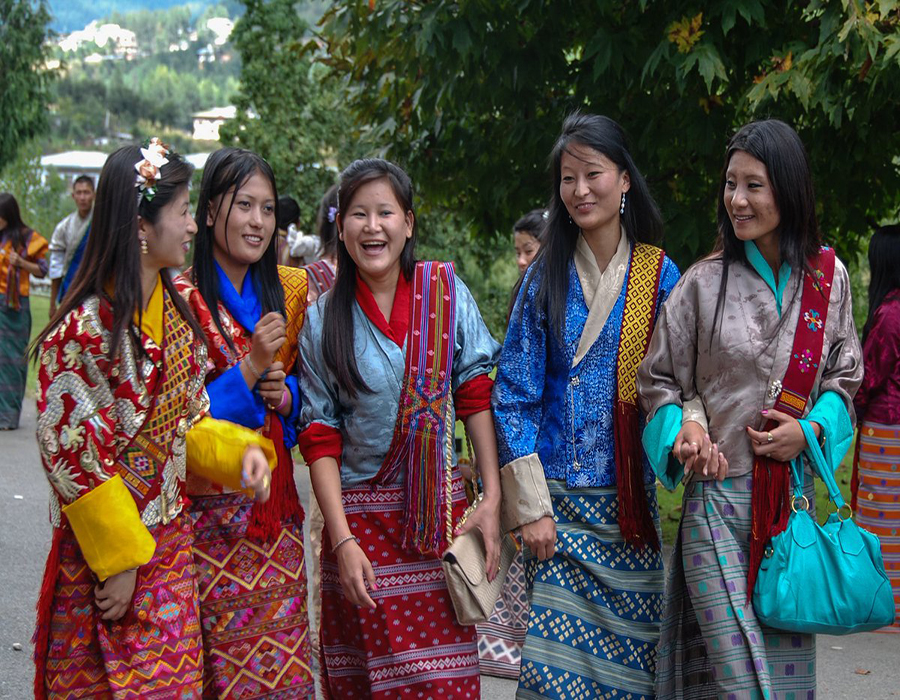
In a world obsessed with measuring progress solely through economic indicators like GDP, Bhutan stands out as a beacon of a different approach to societal well-being. Nestled in the Eastern Himalayas, this small landlocked kingdom has long captivated the world with its unique philosophy of Gross National Happiness (GNH). In Bhutan, the pursuit of happiness is not just a vague notion; it's a guiding principle deeply ingrained in the fabric of society and governance.
The Birth of GNH: The concept of GNH was coined by the fourth King of Bhutan, King Jigme Singye Wangchuck, in the 1970s. He famously proclaimed that "Gross National Happiness is more important than Gross Domestic Product." This visionary idea signalled a departure from the traditional economic model, which prioritises material wealth accumulation above all else.
Pillars of GNH:
1.Sustainable and Equitable Socio-Economic Development: Bhutan emphasises sustainable economic growth that benefits all citizens, with a focus on reducing income inequality and promoting social welfare.
2.Conservation of the Environment: As a country renowned for its pristine natural beauty, Bhutan places great importance on environmental conservation. It has pledged to remain carbon neutral and maintain forest cover for all time.
3.Preservation and Promotion of Culture: Bhutanese culture, with its rich traditions, language, and heritage, is a source of pride and identity for its people. GNH seeks to preserve and promote cultural values amidst globalisation.
4.Good Governance: A transparent and accountable government is essential for fostering trust and ensuring the well-being of citizens. Bhutan's governance model prioritises participation, democracy, and the rule of law.
Measuring Happiness: While GDP quantifies economic output, measuring happiness is a more complex endeavour. Bhutan uses a holistic approach to assess well-being, employing qualitative and quantitative indicators across nine domains:
1.Psychological Well-being
2.Health
3.Education
4.Time Use
5.Cultural Diversity and Resilience
6.Good Governance
7.Community Vitality
8.Ecological Diversity and Resilience
9.Living Standards
These indicators provide a comprehensive view of societal progress, encompassing both material and non-material aspects of life.
Impact and Challenges: Bhutan's commitment to GNH has yielded tangible benefits for its citizens. Despite being a developing nation, it boasts high levels of happiness and life satisfaction. Moreover, GNH has attracted global attention, sparking conversations about alternative models of development that prioritise well-being over mere economic growth.
However, Bhutan faces challenges in fully realising its GNH vision. Rapid modernisation, urbanisation, and external influences pose threats to traditional values and cultural identity. Additionally, ensuring equitable access to education, healthcare, and economic opportunities remains a pressing issue, especially in remote rural areas.
Lessons for the World: Bhutan's experiment with GNH offers valuable lessons for policymakers worldwide. It underscores the importance of redefining progress beyond material wealth and embracing a more holistic approach to development. Prioritising the well-being of citizens, preserving the environment, and nurturing cultural heritage are essential ingredients for creating a truly prosperous and sustainable society.
As the world grapples with pressing challenges such as climate change, inequality, and mental health crises, Bhutan's example serves as a reminder that there are alternative paths to prosperity. By placing happiness at the centre of governance, nations can aspire to build societies that are not only wealthy in terms of GDP but also rich in compassion, harmony, and fulfilment.
In Bhutan, the pursuit of Gross National Happiness isn't just a lofty ideal; it's a lived reality, a testament to the transformative power of re-imagining the meaning of progress.
In conclusion, Bhutan's journey towards Gross National Happiness is a compelling narrative of hope and inspiration, a reminder that true prosperity lies not in material accumulation alone, but in the profound sense of well-being and contentment that comes from living in harmony with oneself, others, and the natural world. As we navigate an increasingly complex and interconnected world, Bhutan's wisdom offers a guiding light, illuminating a path towards a more sustainable, equitable, and fulfilling future for all. TTH