Cultural Identity of India
India, often described as a land of diversity, is a captivating mosaic of cultures, traditions, and heritage that have evolved over millennia. From the snow-capped peaks of the Himalayas to the sun-kissed shores of the Indian Ocean, every corner of this vast subcontinent boasts its own unique cultural tapestry, woven together by a shared history and a profound sense of identity.
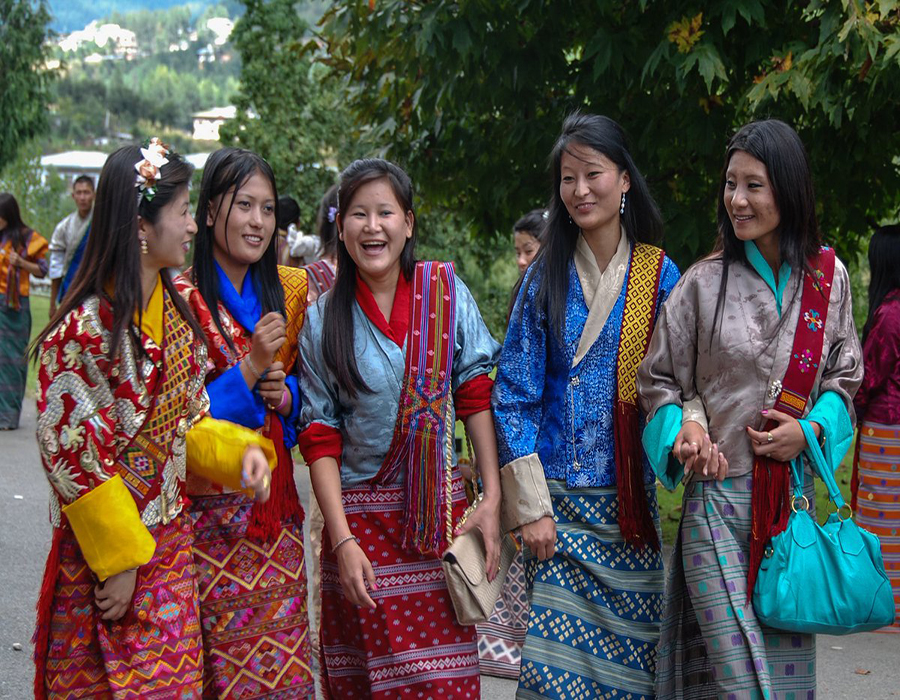
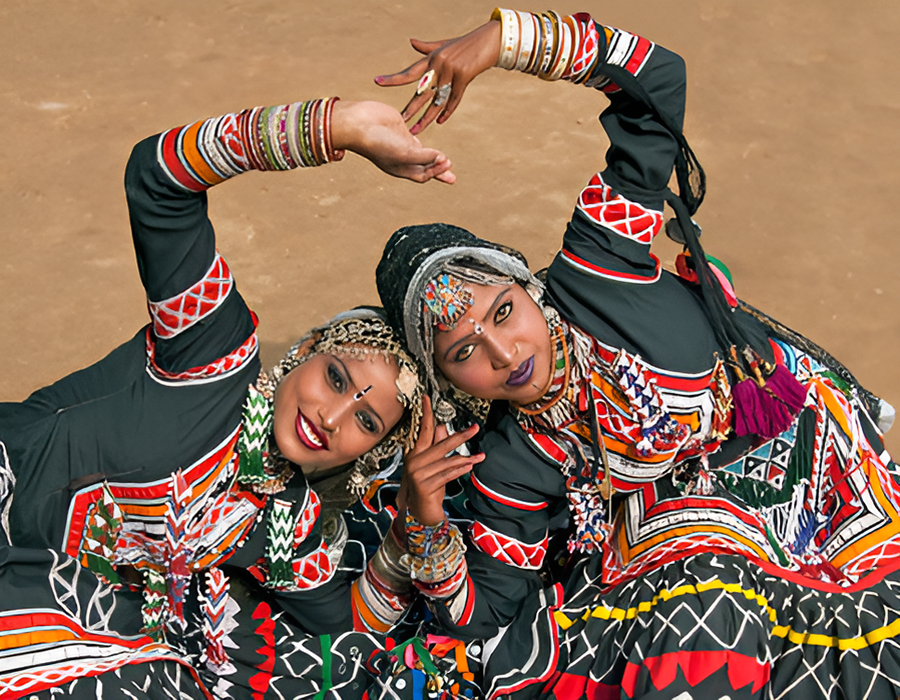
Diversity in Unity: One of the most striking aspects of Indian culture is its diversity. With over 1.3 billion people belonging to numerous ethnicity, religions, languages, and castes, India is a melting pot of traditions. Each region of the country is characterised by its distinct customs, cuisines, festivals, and attire, reflecting the rich tapestry of its cultural heritage.
Festivals: Festivals form an integral part of Indian culture, marking occasions of religious significance, harvest celebrations, and cultural events. Diwali, the festival of lights, illuminates the country with the glow of lamps, symbolising the triumph of light over darkness and good over evil. Holi, the festival of colours, brings joy and merriment as people smear each other with vibrant hues, celebrating the arrival of spring. Eid, Christmas, Navratri, Durga Puja, and many other festivals are celebrated with equal fervour, transcending religious boundaries and fostering communal harmony.
Traditional Arts and Crafts: India's artistic heritage is as diverse as its cultural landscape. From intricate embroidery and weaving to vibrant paintings and sculptures, traditional arts and crafts have been passed down through generations, preserving age-old techniques and designs. The colourful Madhubani paintings of Bihar, the exquisite silk sarees of Kanchipuram, the intricate woodcarvings of Rajasthan, and the timeless bronze sculptures of Tamil Nadu are just a few examples of India's rich artistic legacy.
Classical Dance and Music: Indian classical dance and music forms are a testament to the country's artistic prowess and spiritual depth. From the graceful movements of Bharatanatyam to the expressive gestures of Kathak, from the rhythmic beats of tabla to the soul-stirring melodies of sitar, Indian classical arts evoke a sense of transcendence, connecting performers and audiences to their cultural roots and spiritual heritage.
Culinary Delights: Indian cuisine is renowned worldwide for its diverse flavours, aromatic spices, and regional specialities. From the fiery curries of the north to the coconut-infused dishes of the south, from the savoury chaats of the streets to the delicate sweets of the royal kitchens, Indian food tantalises the taste buds and reflects the culinary heritage of its people. Each region boasts its own culinary traditions, influenced by climate, geography, and cultural practices.
Resilience and Adaptability: Despite the challenges of modernisation and globalisation, India's cultural heritage continues to thrive, adapting to changing times while preserving its essence. Traditional arts and crafts are being revived and reinvented, festivals are celebrated with renewed enthusiasm, and age-old customs are passed down to future generations, ensuring that India's rich cultural tapestry remains vibrant and alive.
In conclusion, India's culture and tradition are a testament to the resilience, diversity, and vibrancy of its people. As we delve deeper into the intricacies of its cultural heritage, we come to appreciate the beauty of unity in diversity, where myriad traditions coexist harmoniously, enriching the fabric of Indian society. Through festivals, arts, cuisine, and rituals, India celebrates life in all its myriad hues, inviting the world to partake in its timeless legacy. TTH